
Learn about The Metropolitan Water District of Southern California including our News & Press Releases and MWD Financing Team.
Talk to us
Have questions? Reach out to us directly.
Learn about The Metropolitan Water District of Southern California including our News & Press Releases and MWD Financing Team.
About The Metropolitan Water District of Southern California
The Metropolitan Water District of Southern California might not be a household name. But if you’re a Southern Californian, there’s a good chance you get some of your water through Metropolitan. We serve 26 public water agencies — cities, municipal water districts and one county water authority — that then deliver supplies directly or indirectly to 19 million people in Los Angeles, Orange, Riverside, San Bernardino, San Diego and Ventura counties.
We have imported water from the Colorado River since 1941 and from Northern California since the early 1970s. We are the largest single contractor of the State Water Project and a major supporter of Southern California water conservation and water recycling programs, along with other local water management activities.
Whether it’s historic drought or the longer-term threat of climate change, we’re here to protect the region and provide high-quality affordable water in an environmentally responsible way.
For more information about The Metropolitan Water District of Southern California, please visit Our Story here.
News
Southern California water leader Shivaji Deshmukh will be the next general manager of the Metropolitan Water District of Southern California, the nation’s largest drinking water provider, following a unanimous vote today by the agency’s board of directors.
Deshmukh will become Metropolitan’s 16th general manager in its nearly 100-year history, replacing retiring general manager Deven Upadhyay.
“Shivaji Deshmukh has worked for more than 25 years to ensure Southern California communities have reliable water. He has helped develop large-scale water recycling projects, forged valuable partnerships across agencies, and advanced innovative water management programs that have multiple benefits for our region and state. He has overseen water operations, balanced budgets, and led workforces,” board Chair Adán Ortega, Jr. said.
”And now, at Metropolitan, his charge will be to implement the groundbreaking climate adaptation strategy set by the board earlier this year to manage an increasingly volatile water supply environment. He will also address workforce and aging infrastructure issues as we plan our next biennial budget,” Ortega continued.
Deshmukh comes to Metropolitan from the Inland Empire Utilities Agency, one of Metropolitan’s 26 member agencies, where he has been general manager since 2019. Before that, he served as assistant general manager at West Basin Municipal Water District and as program manager at Orange County Water District, where he oversaw the design, construction and operation of one of the state’s first and largest recycled water projects, the Groundwater Replenishment System in Orange County.
Deshmukh is also president-elect of the WateReuse California Board of Trustees and serves on the US Water Alliance Board of Directors. He holds bachelor’s and master’s degrees in civil engineering from UCLA.
“Metropolitan Water District is part of the fabric of Southern California, delivering the water supply that has helped the region grow and thrive for nearly 100 years. I am thrilled to be joining this indispensable organization, particularly as it sets the course for water reliability for the next century with critical decisions on the horizon about various water supply, storage and conveyance projects,” Deshmukh said.
Deshmukh will join Metropolitan on Nov. 3 as general manager-designate. To ensure an effective and seamless leadership transition, he will spend his first two months deepening his understanding of Metropolitan’s day-to-day operations and the agency’s strategic work on long-term water supply reliability, while working closely with Upadhyay, who began his career with Metropolitan in 1995. On Jan. 1, 2026, Deshmukh will begin as general manager.
As general manager, Deshmukh will earn an annual salary of $495,040, under the contract approved by Metropolitan’s board.
A cooperative of 26 member agencies, Metropolitan provides about half of the water used by nearly 19 million people in six Southern California counties. The district’s 5,200-square-mile service area covers most of urbanized Southern California. Metropolitan imports water from the Colorado River and Northern California to supplement local supplies. It also provides financial incentives to increase water conservation in homes and businesses and helps local agencies develop recycling, storage and other water management programs.
Headquartered adjacent to Union Station in downtown Los Angeles, Metropolitan has an annual operating/capital budget of $1.8 billion, about 1,700 employees and more than 30 facilities throughout Southern California.
As general manager, Deshmukh will be responsible for leading Metropolitan’s daily operations, managing its assets and resources, and overseeing its long-term vision, including implementing the policies directed by the agency’s 38-member board of directors. Deshmukh will report directly to the board, and will work with other department heads, member agencies and federal, state and local officials to carry out Metropolitan’s mission to provide reliable, high-quality water to Southern California.
The board’s selection of Deshmukh comes after a five-month recruitment process.
“Our entire board dedicated a great deal of time deciding the qualities, experience and leadership style that we wanted in Metropolitan’s next leader. We have found that person in Shivaji Deshmukh,” Ortega said.
As part of a broad push toward greater environmental sustainability, Metropolitan Water District’s Board of Directors today voted to approve a set of strategies to cut its greenhouse gas emissions and achieve carbon neutrality by 2045.
The Climate Action Plan identifies actions to reduce Metropolitan’s carbon footprint in the face of climate change, increasing the district’s climate resiliency and energy independence while supporting California’s GHG reduction goals.
“Climate change is not just about the environment, it is about protecting the future for our communities,” board Chairwoman Gloria D. Gray said. “It is our responsibility to address the urgent threats we face due to climate change so that Southern Californians will continue to have clean, reliable drinking water and a good quality of life.”
The CAP helps Metropolitan reach California’s aggressive goals to cut GHG emissions by 40 percent from 1990 levels by 2030 and achieve complete carbon neutrality by 2045. The plan sets targets and strategies for reducing GHG emissions from Metropolitan’s operations, including its conveyance, storage, treatment and delivery of water throughout its 5,200 square-mile Southern California service area.
Strategies include phasing out natural gas combustion at district facilities, transitioning to a zero-emissions vehicle fleet, utilizing carbon-free electricity, improving energy efficiency, increasing waste diversion to achieve zero waste, increasing water conservation and local supplies, and evaluating carbon capture and sequestration opportunities.
“It is clear that our climate is already rapidly changing. We’re seeing it right before our eyes with the extraordinary drought we are facing today,” said Metropolitan General Manager Adel Hagekhalil. “The impacts on our water supplies will change the way we provide our services and operate our water system. The CAP will ensure we are part of the solution to prevent further stresses to our climate.”
The comprehensive plan, led by Metropolitan’s new Sustainability, Resiliency and Innovation Office, will guide policy and planning decisions on operations, water resources, capital investments, and conservation and resource programs, while mitigating the GHG impacts from Metropolitan’s operations and future capital projects under the California Environmental Quality Act.
“These strategies will help improve our infrastructure reliability, give us greater energy resiliency and provide cost-effective solutions for energy purchases and maintenance,” Chairwoman Gray said.
Metropolitan has already been making progress on its commitment to greater sustainability and resiliency. Through a partnership with the Clean Power Alliance, the agency recently switched to 100 percent green power at several of its smaller meters and operational sites, reducing its GHG emissions by about 100 tons annually, equivalent to the amount of carbon absorbed by 118 acres of forest in one year. Metropolitan has also switched over 300 of its Southern California Edison accounts to 100 percent Green Power Rates to purchase renewable energy. This amounts to over 11,900,000 kWh of annual use which represents the annual electricity consumption of 1,400 average households.
Metropolitan has also approved more than $840 million in conservation and local resource programs, funded over $350 million in turf-removal program rebates, installed solar facilities at its Joseph Jensen, Robert A. Skinner and Frank E. Weymouth water treatment plants, and approved battery energy storage systems at the Jensen and Skinner plants.
Budget includes 5 percent annual rate increases over next two years
A two-year budget that strikes a balance between investing in reliable water supplies for Southern California while managing rates to address rising operational costs and reduced revenues due to lower water sales and severe drought was adopted by Metropolitan Water District’s Board of Directors.
The board on Tuesday (April 12) unanimously adopted a $1.9 billion budget for fiscal year 2022-23 and a $2.0 billion budget for 2023-24, with associated 5 percent overall rate increases in Metropolitan’s wholesale water rates in calendar years 2023 and 2024.
“We are in the midst of unprecedented times – we face a deepening drought emergency as we emerge from a worldwide pandemic and confront national supply shortages and high inflation,” said Metropolitan General Manager Adel Hagekhalil. “We must take bold actions today to invest in the future of our region so that we are more resilient to climate change and drought. But we must also limit overall rate increases for our member agencies, which are contending with their own investment needs and affordability concerns.”
The plan serves as a transitional budget as the board deliberates a new direction that will guide Metropolitan’s future rate structure and potentially a new business model while meeting near- term challenges, such as high inflation and a deepening drought emergency. Future rate increases are expected to be higher, including an anticipated rate increase of 7 percent in 2025.
“Our ongoing strategic planning efforts will guide how we adapt to climate change and meet our mission for the next century,” Metropolitan board Chairwoman Gloria D. Gray said. “These efforts will involve major investments in storage, local supplies and water efficiency. As we ask people to use less water and our water sales drop, we have to figure out a way to pay for these investments.”
The approved budget will fund priority operations and maintenance projects as well as important drought-proofing local supply projects. It includes nearly 450 capital projects, including planning activities for Metropolitan’s full-scale Regional Recycled Water Program that, if approved, would deliver enough water to serve roughly 500,000 Southern California households. It also provides continued support for conservation, development of local resource projects and planning for drier years.
To avoid a higher rate increase in 2023 and 2024, the biennial budget cuts $53 million from the agency’s operations budget, with substantial reductions in materials and supplies, research and planning, travel, training, conferences, and director inspection trips of water facilities. In addition, Metropolitan continues its search for new funding sources, which potentially include state and federal grant opportunities, beneficial water exchanges and partnerships that leverage investments in Metropolitan’s system.
“We all must recognize that the cost of providing water is increasing as we face extraordinary challenges,” Hagekhalil said. “We are continuing to work with the state and federal government to advocate for funding that supports Southern California’s water future.”
MWD Financing Team
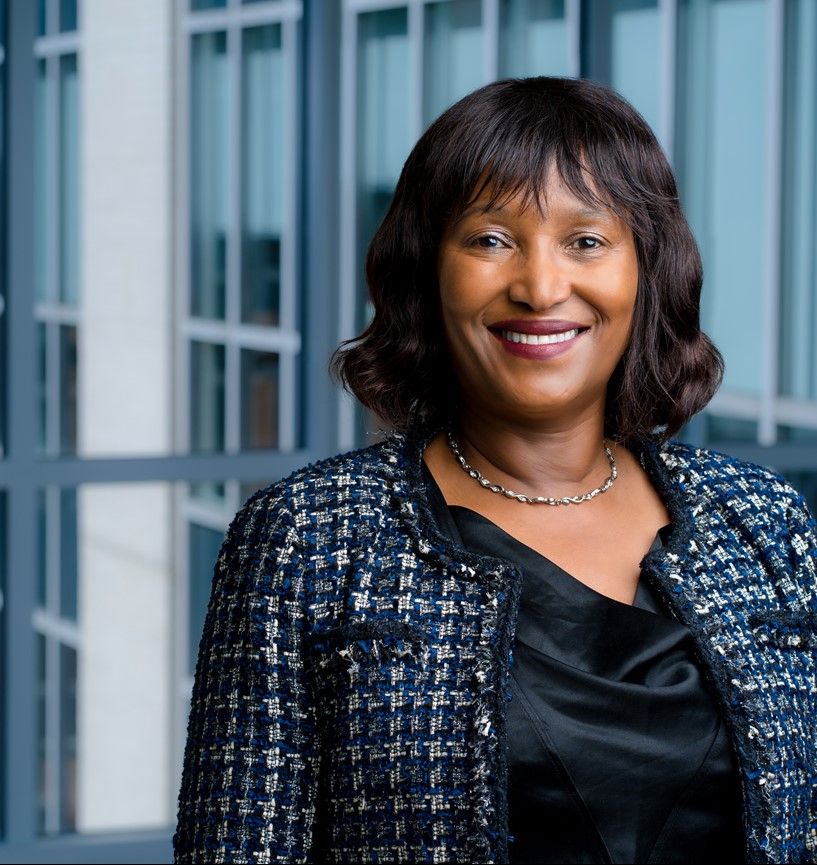
Katano Kasaine
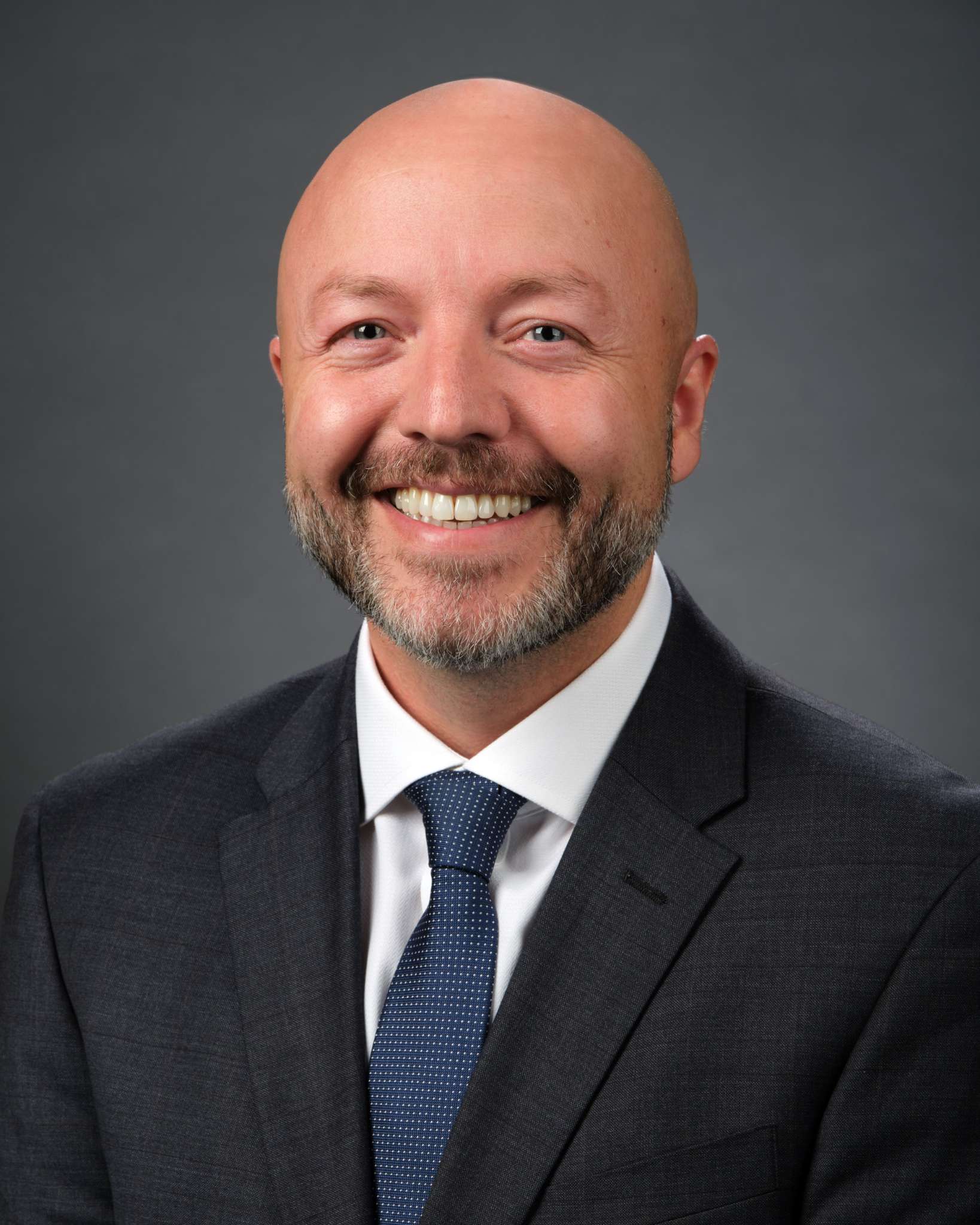
Adam Benson
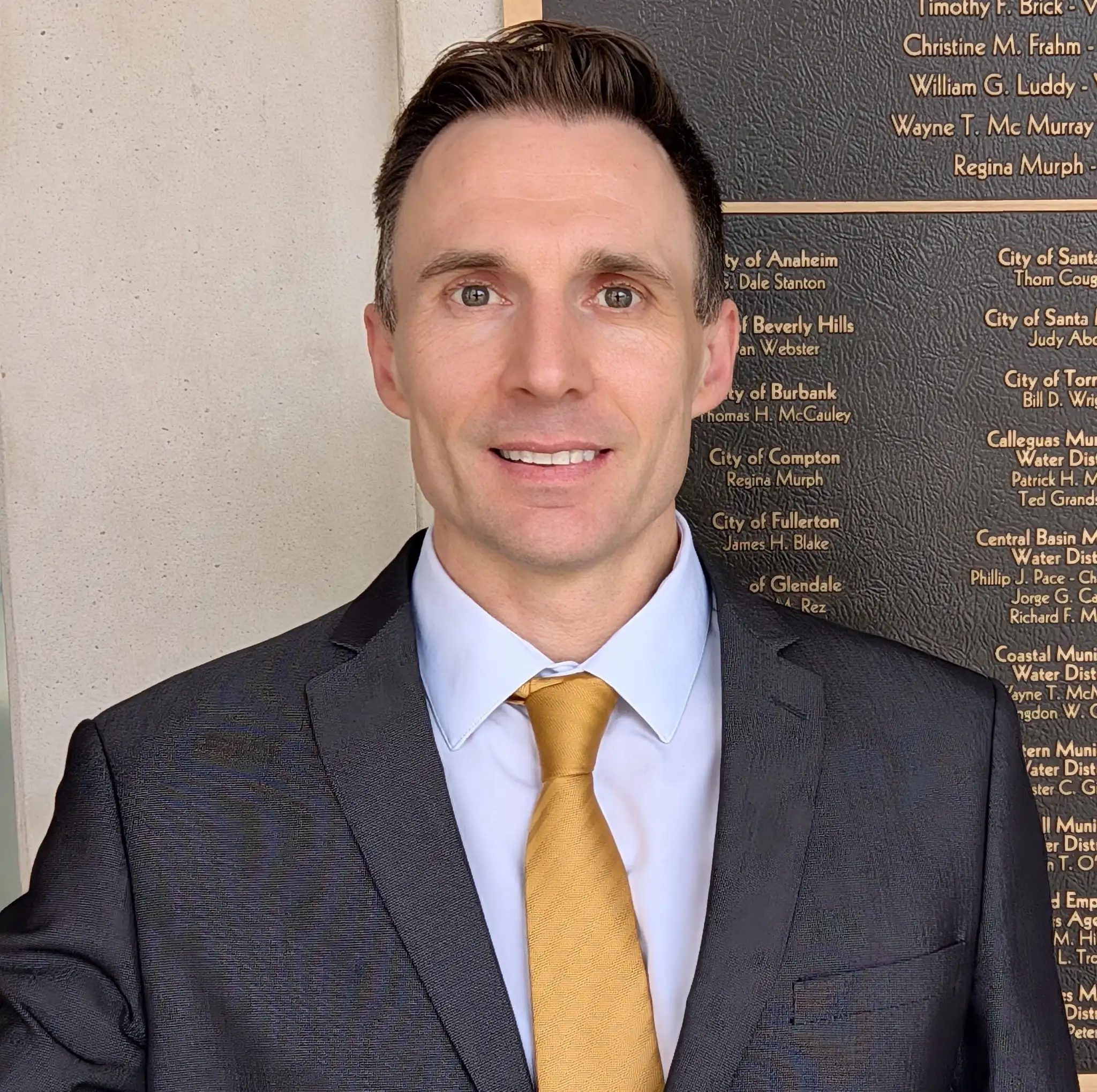
Arnout van den Berg
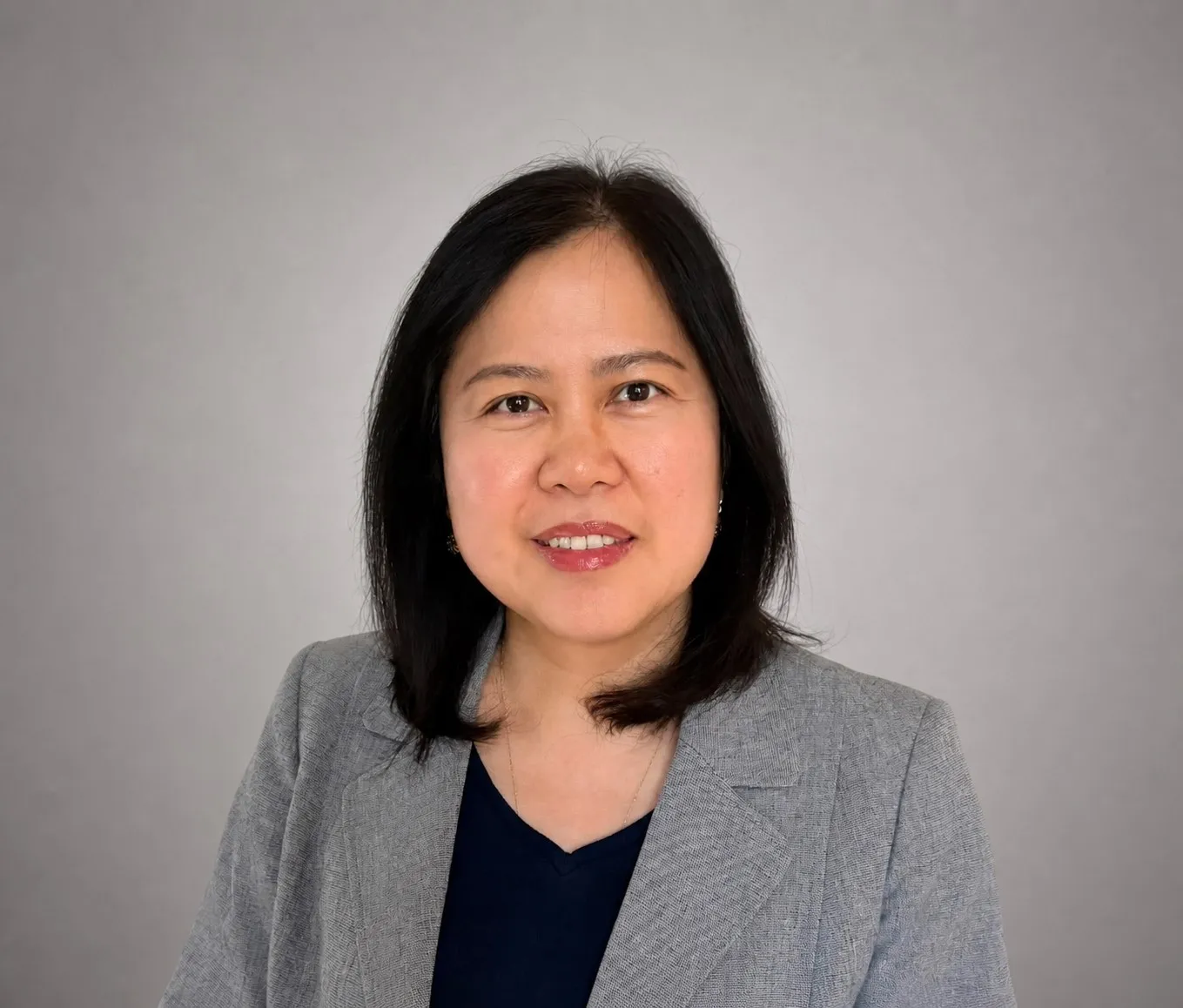
Joy Mayor
MWD Management Team
Talk to us
Have questions? Reach out to us directly.